Lately, I’ve been taking some of my research more seriously, not only in the studio, but also in writing. I’ve been trying to articulate ideas that have been circling my work for years, and one thread keeps returning: the relationship between the physical world and the digital one.
A lot of what fascinates me lives exactly in that crossing. I keep coming back to the question of how something made in one world can be translated into another, what survives that transition, what gets lost, and what mutates on the way.
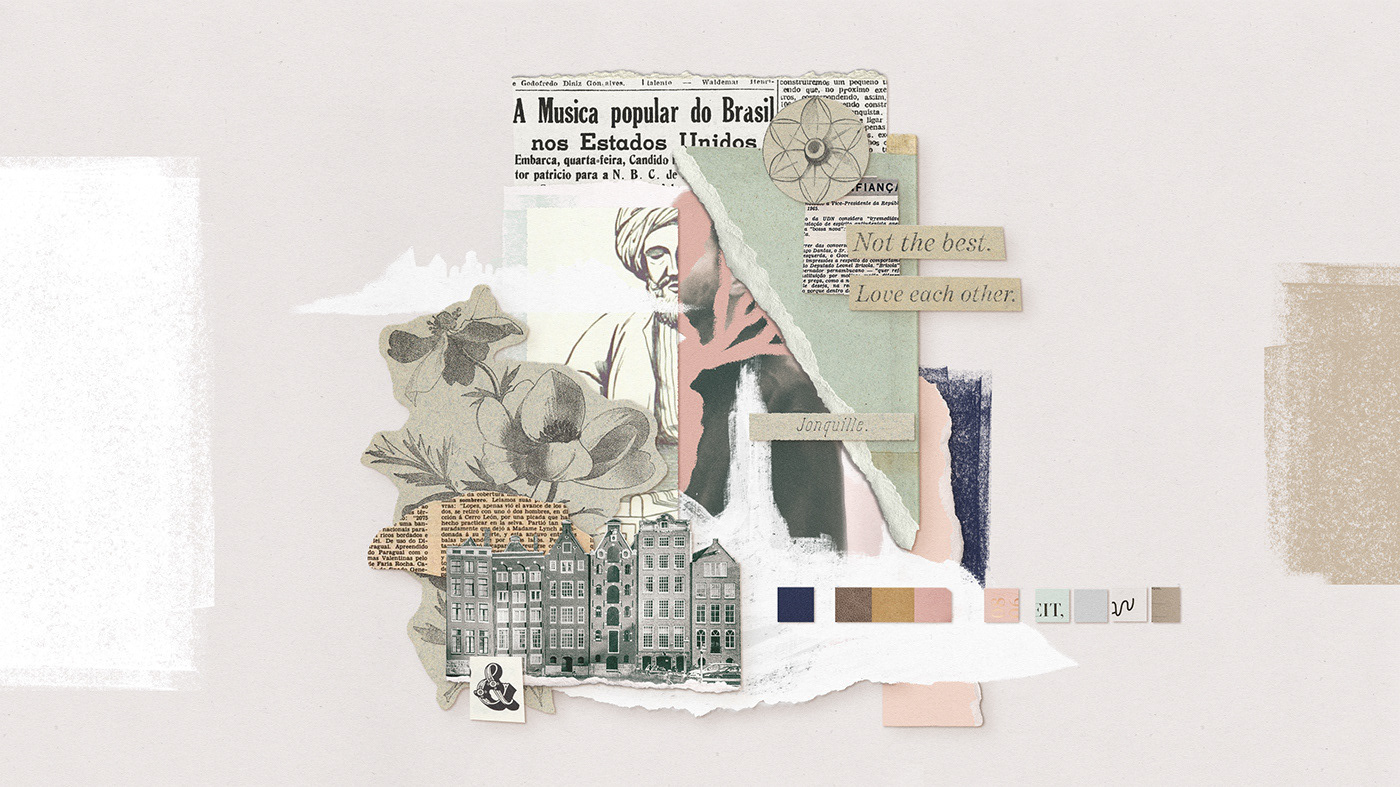
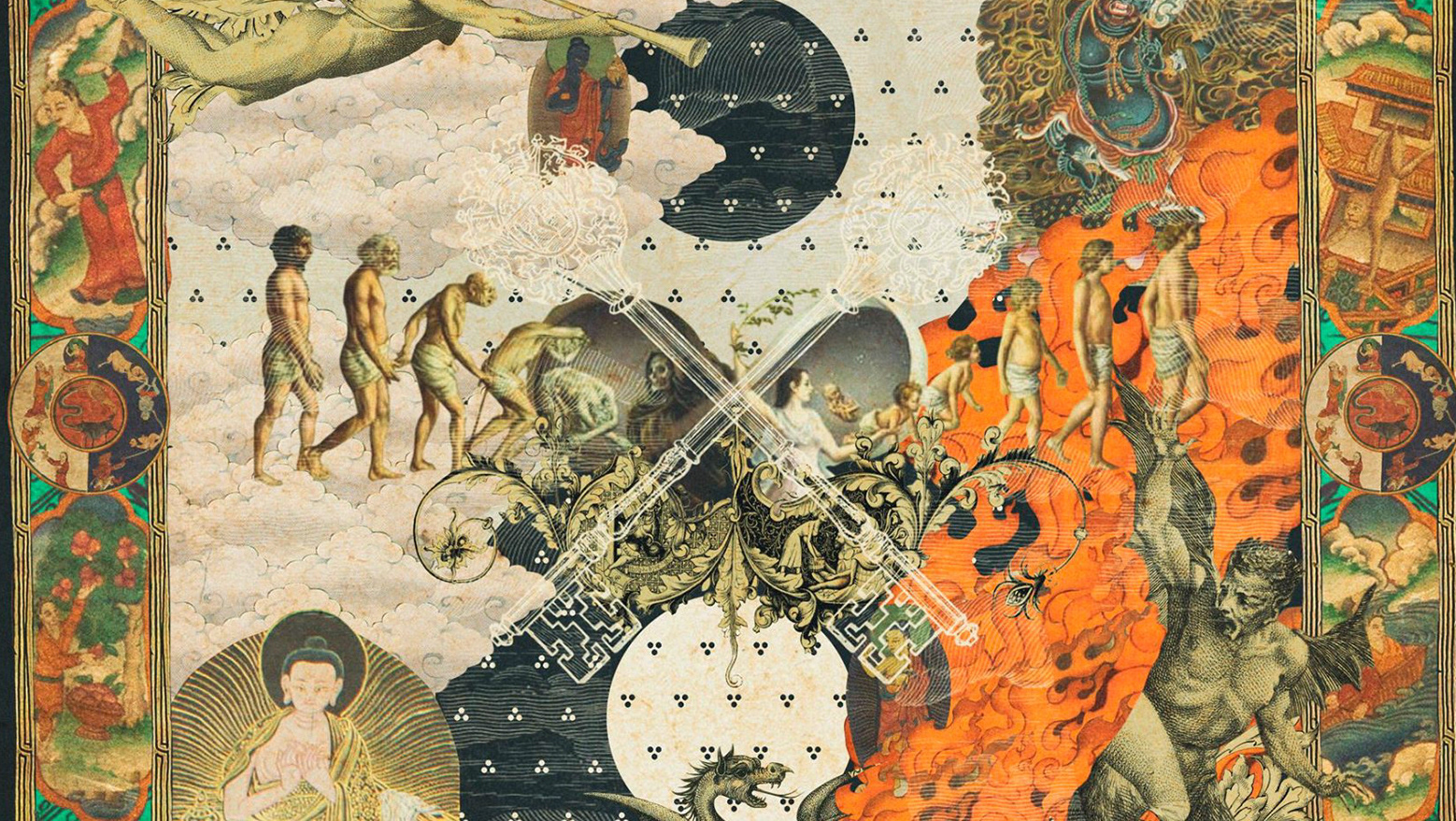
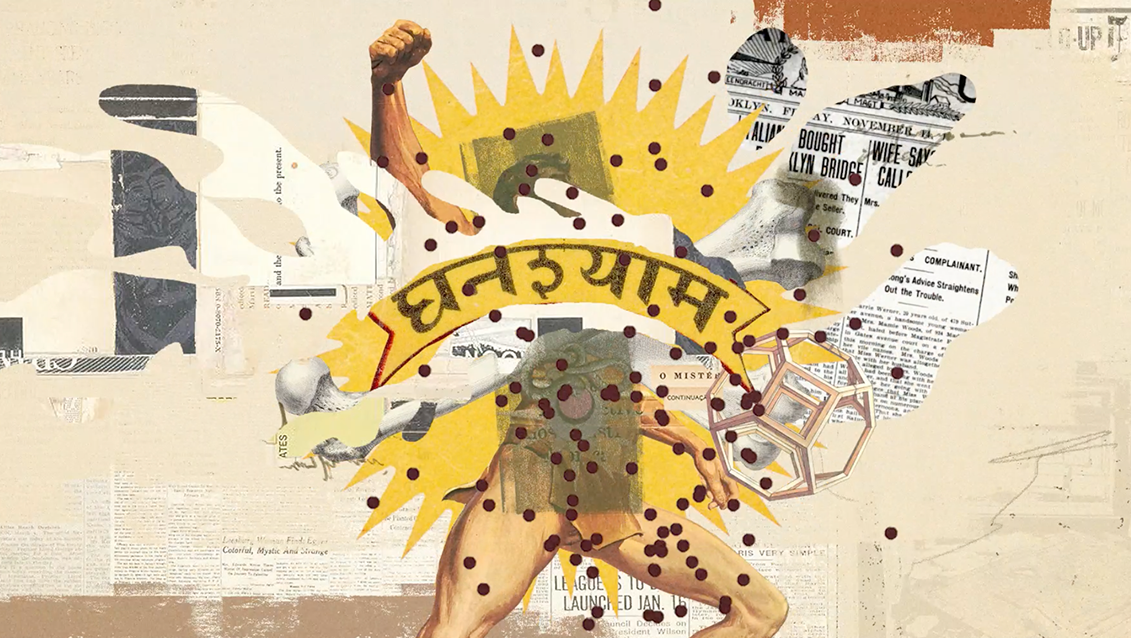
My collage practice actually began in the digital space. I started making images on the computer, without much ceremony at first, just driven by curiosity. Discovering Eduardo Recife’s work was a turning point for me. It opened a door. It made me feel that this language, this way of building images through fragments, tension, and layered associations, was something I deeply connected with. It made me want to find out where my own work could go.
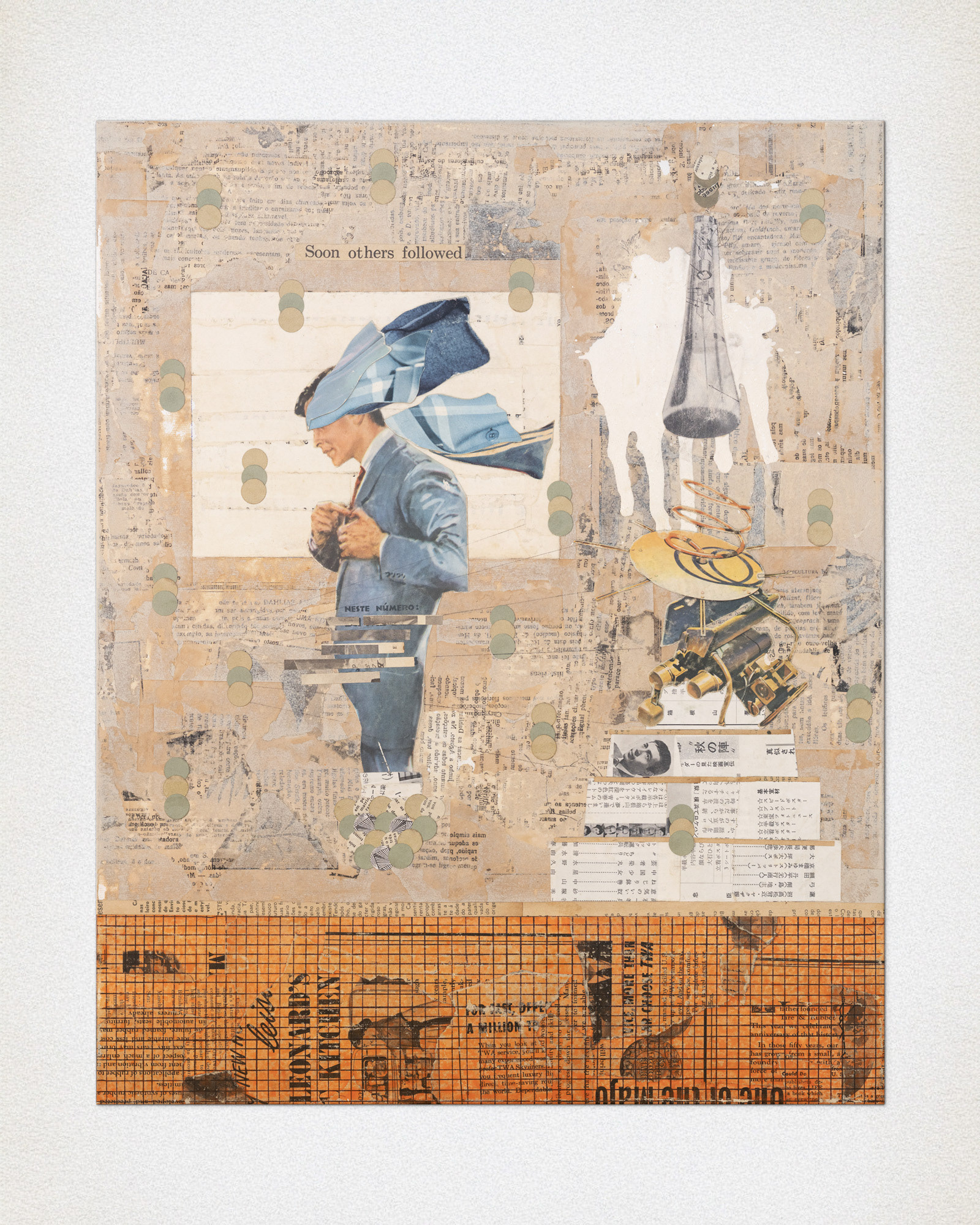
Much later, I began exploring physical media. At first, the impulse was simple: to reproduce in the real world what I was already doing digitally. But that translation is never exact. The same gesture behaves differently. The same logic meets resistance. Materials impose their own rules. Scale shifts. Texture interferes. The result moves somewhere else, and that shift ended up changing the work itself. As I kept working physically, I started discovering things I could not have found on screen alone. Then, when I returned to digital tools, I found myself trying to do the opposite: to bring the logic of the physical world back into the digital one. Not just visually, but procedurally. I wanted digital images to carry friction, imperfection, residue, print behavior, and the density of matter. Since then, my work has lived in this back and forth, this attempt to transpose a gesture from one environment to another, never arriving at the same place, but always learning something from the gap.
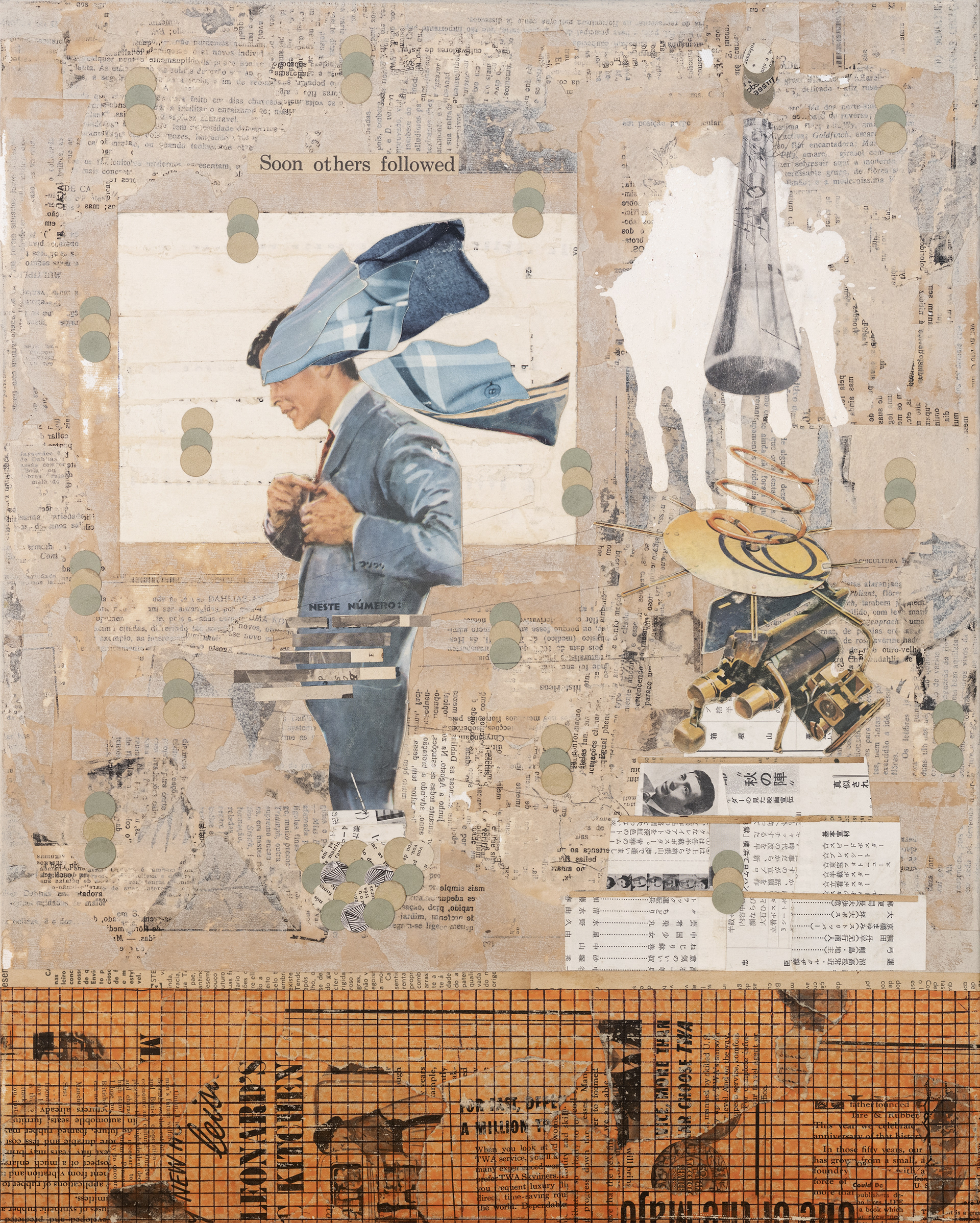
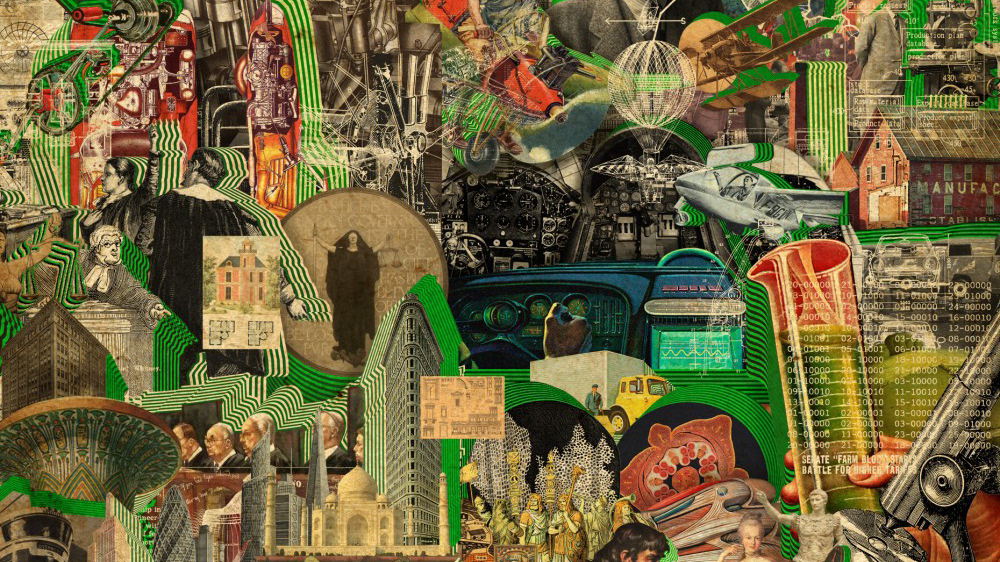
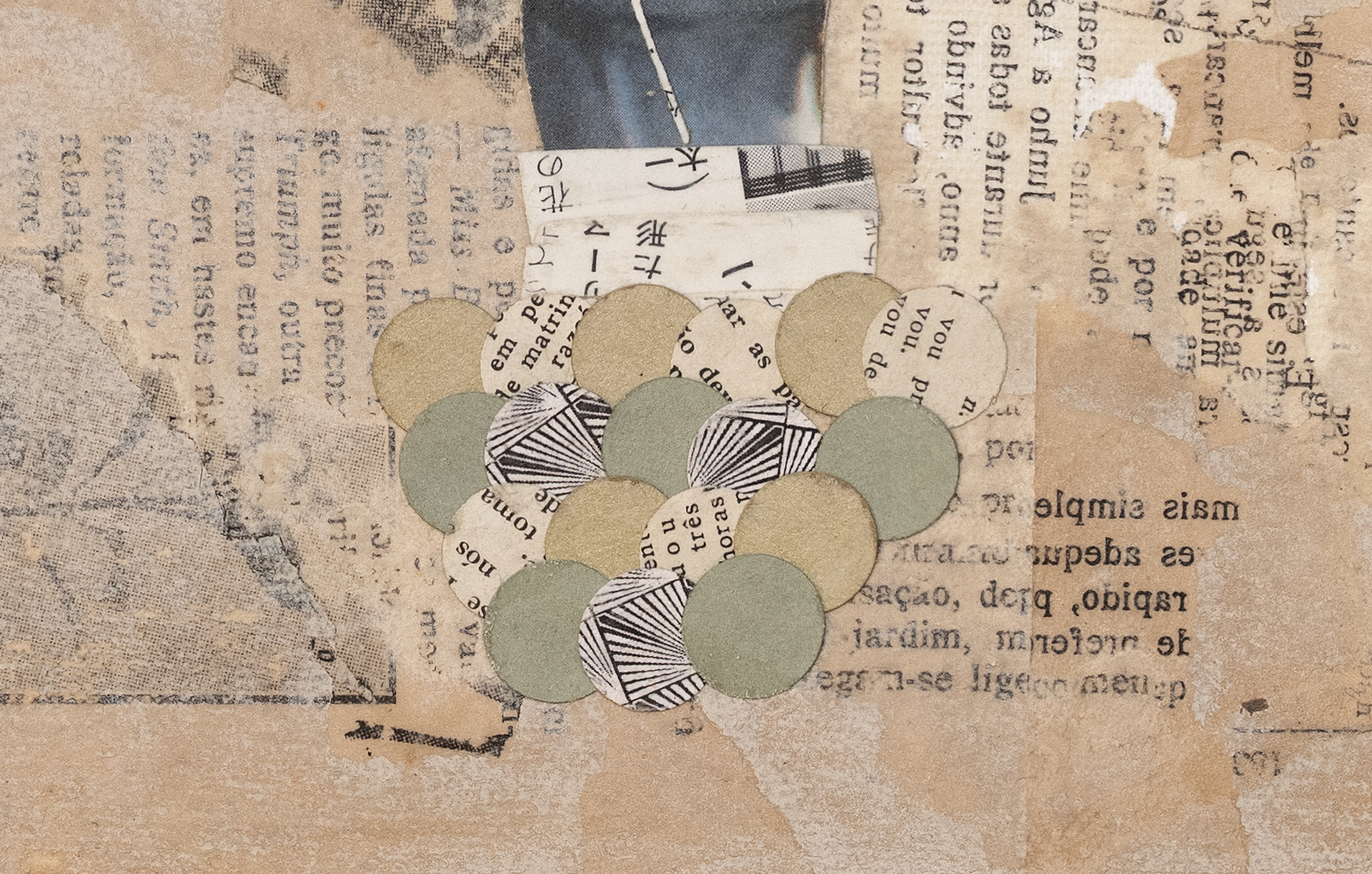
Another recurring fascination for me is scale. Collage, by nature, often begins small. It comes from printed matter, magazines, books, newspapers, paper fragments already bound by a certain size. Part of my path has been about pulling collage away from that intimate format and pushing it toward larger compositions, bigger surfaces, and a sense of expansion. But the opposite movement interests me just as much: what happens when you go inward, into the detail, into the grain, into the micro-world inside the image.
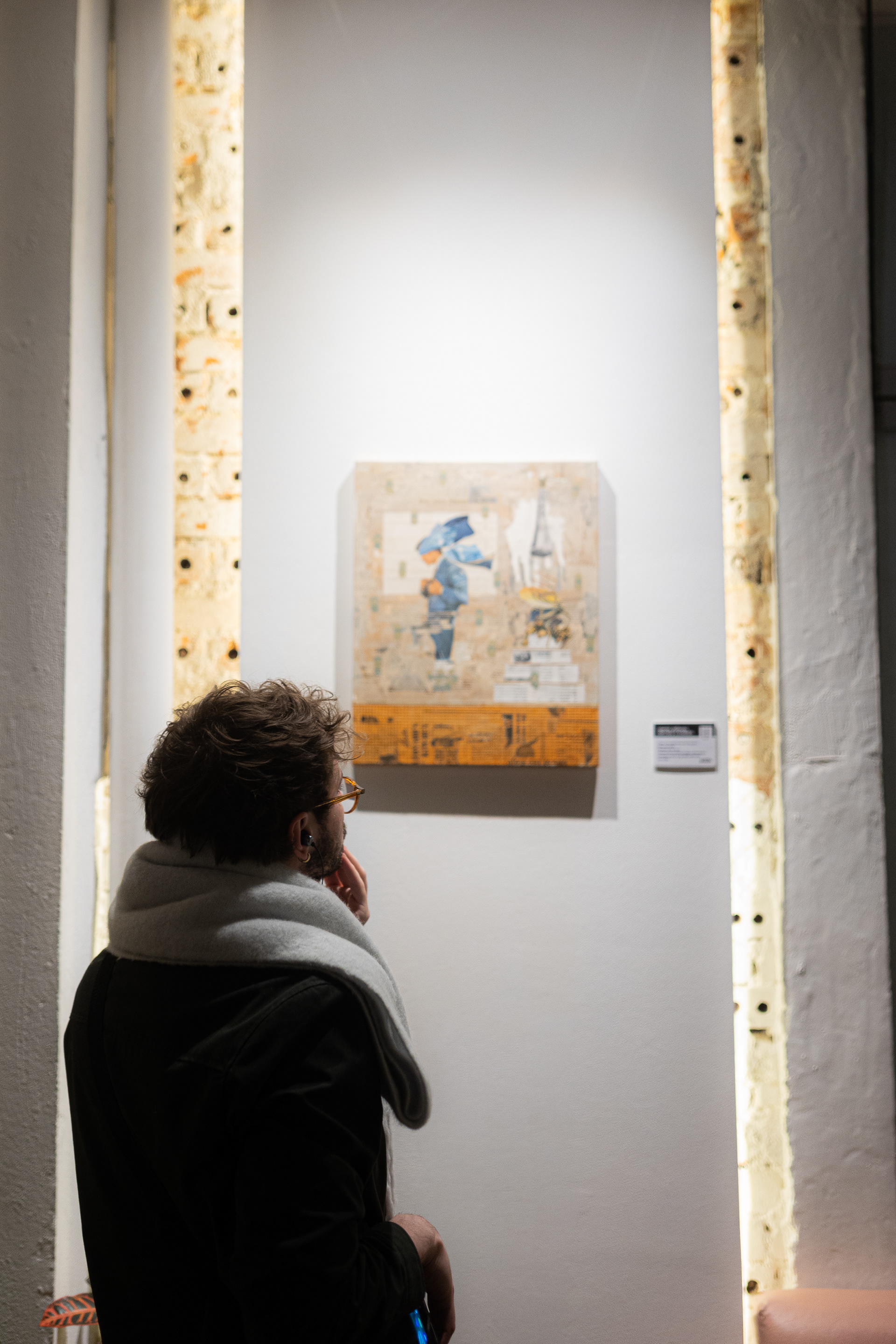
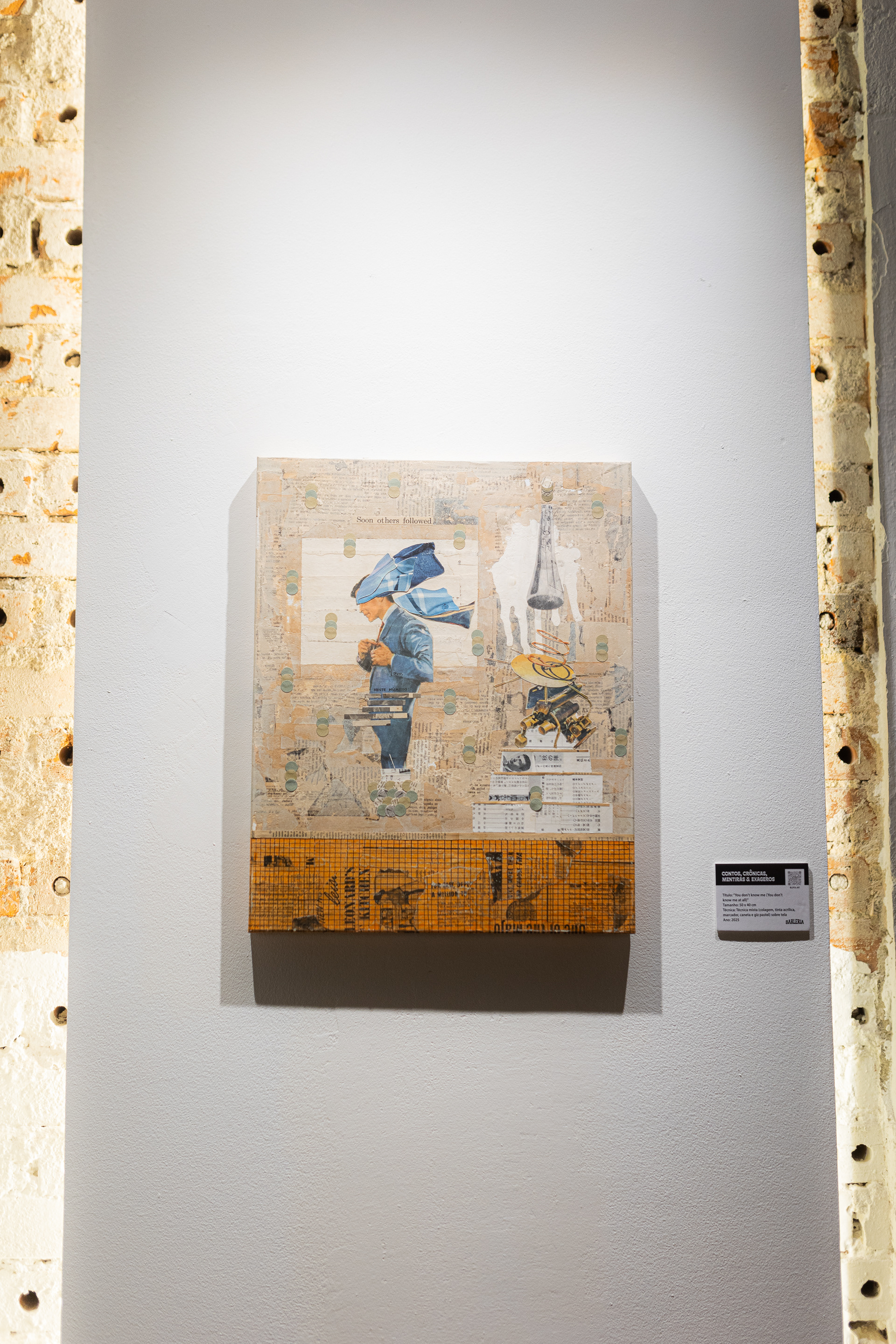
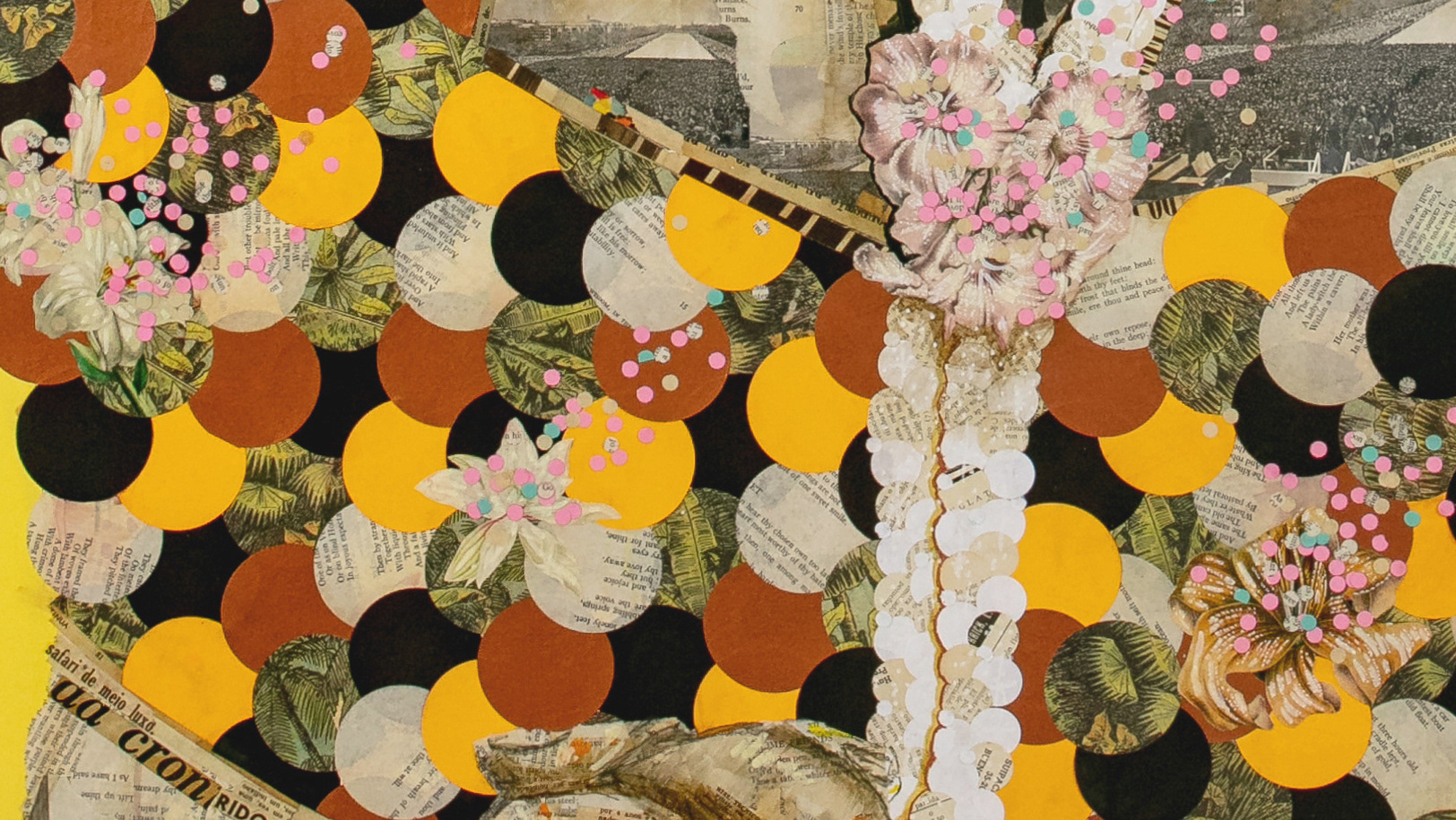
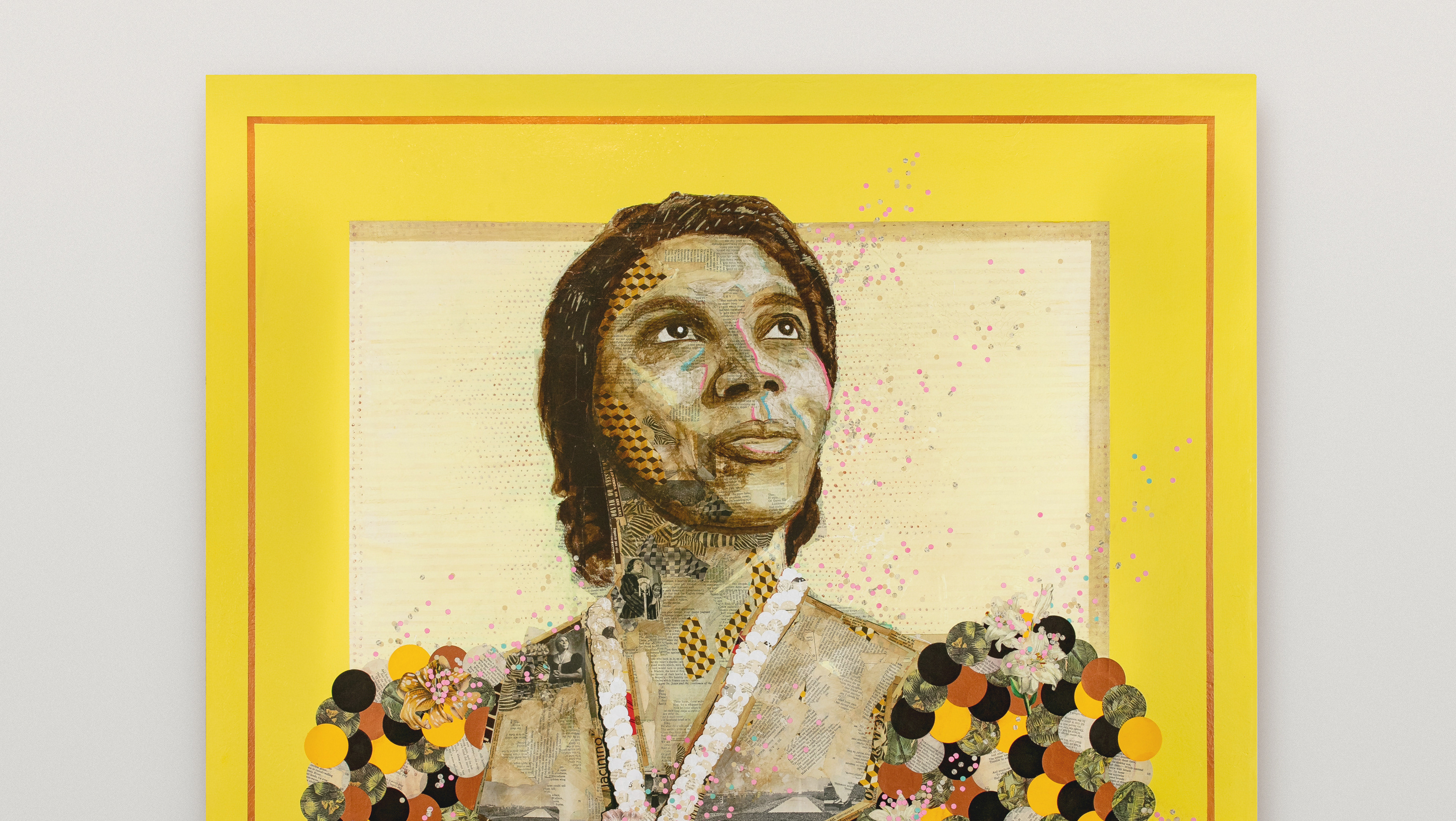
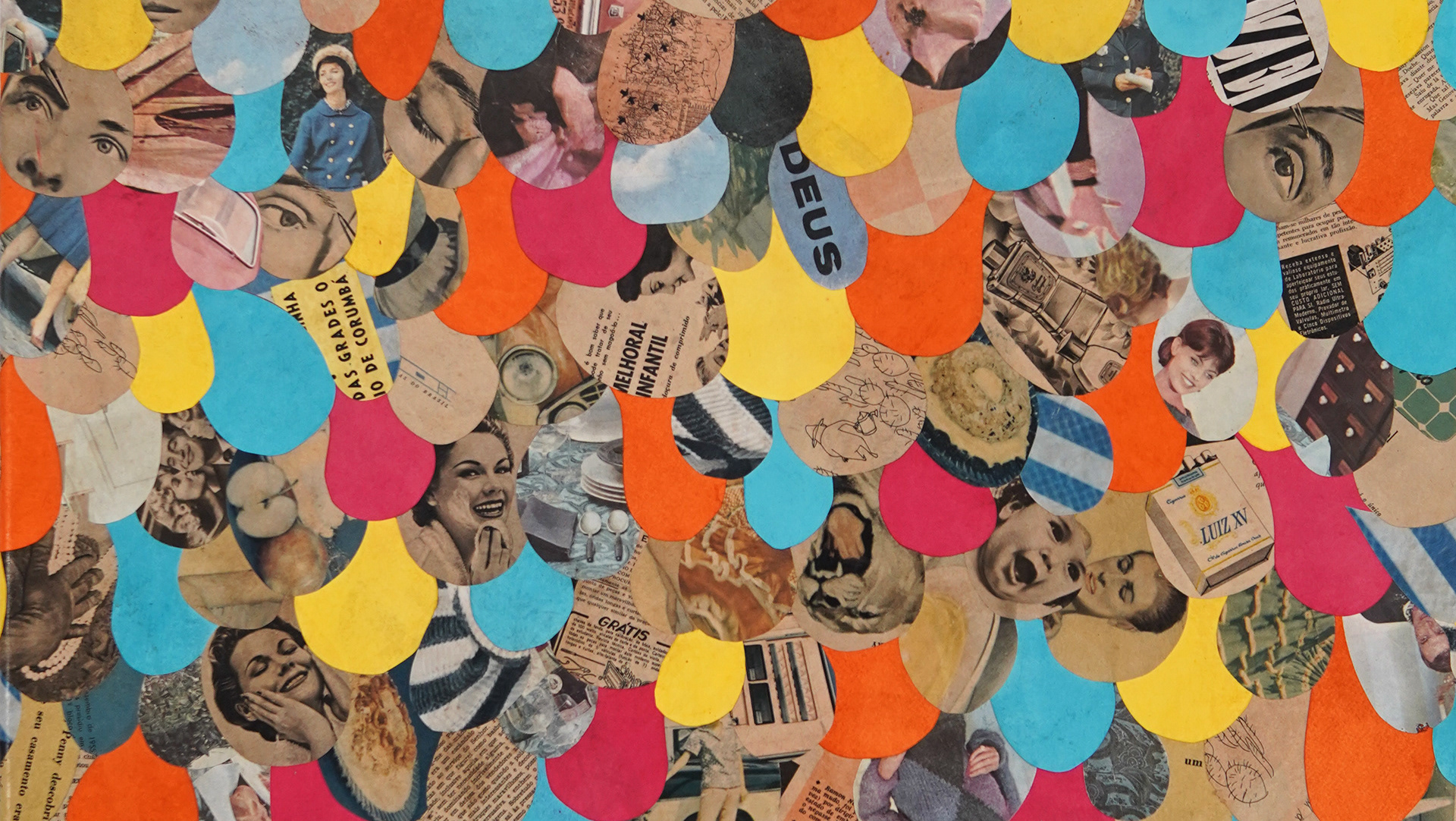
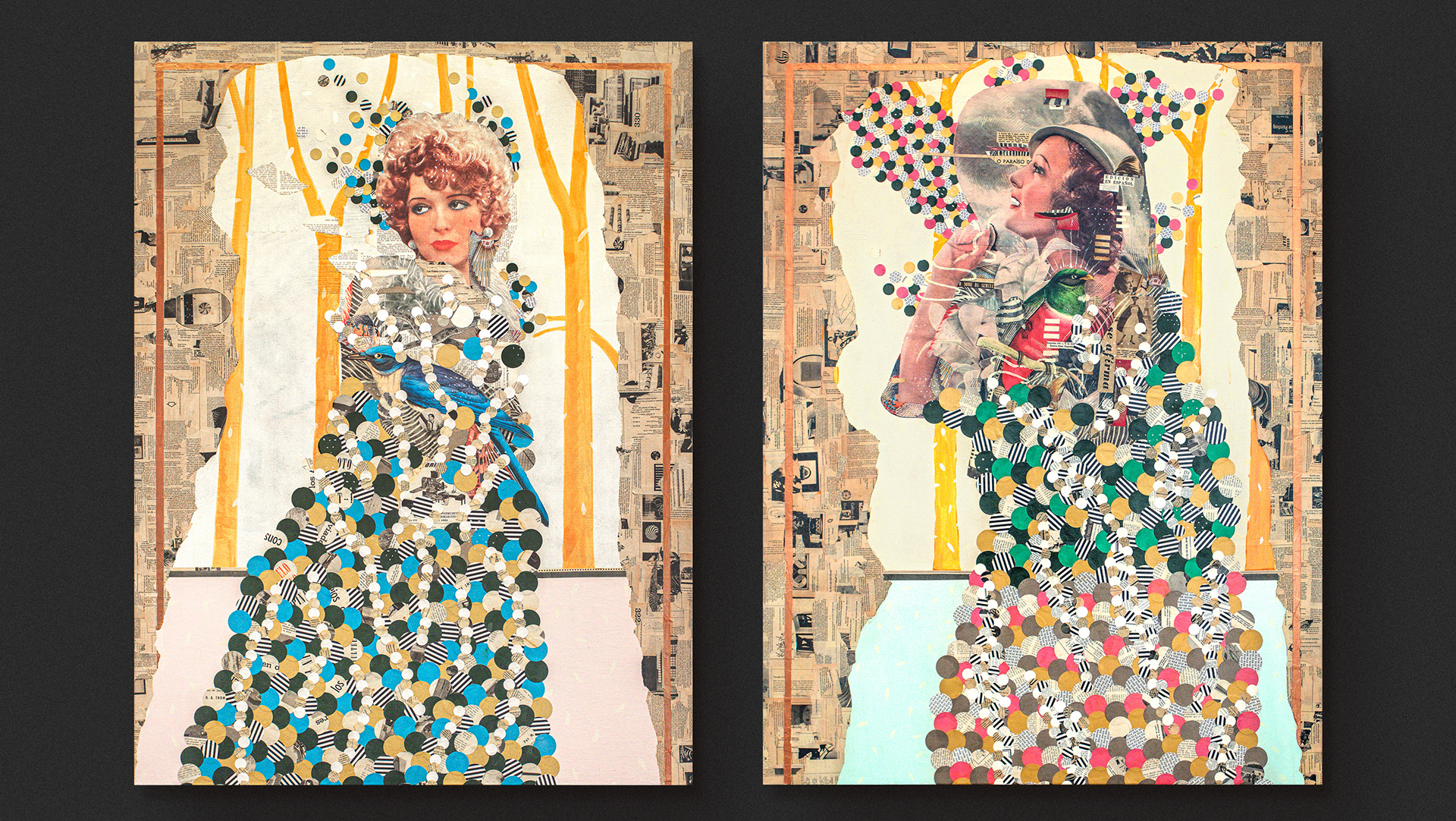
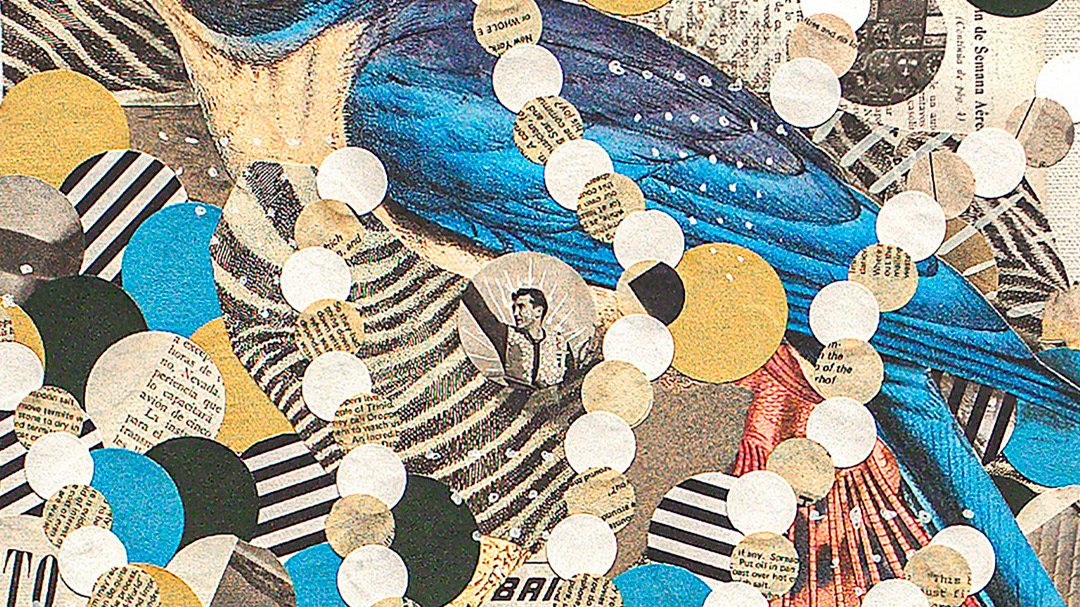
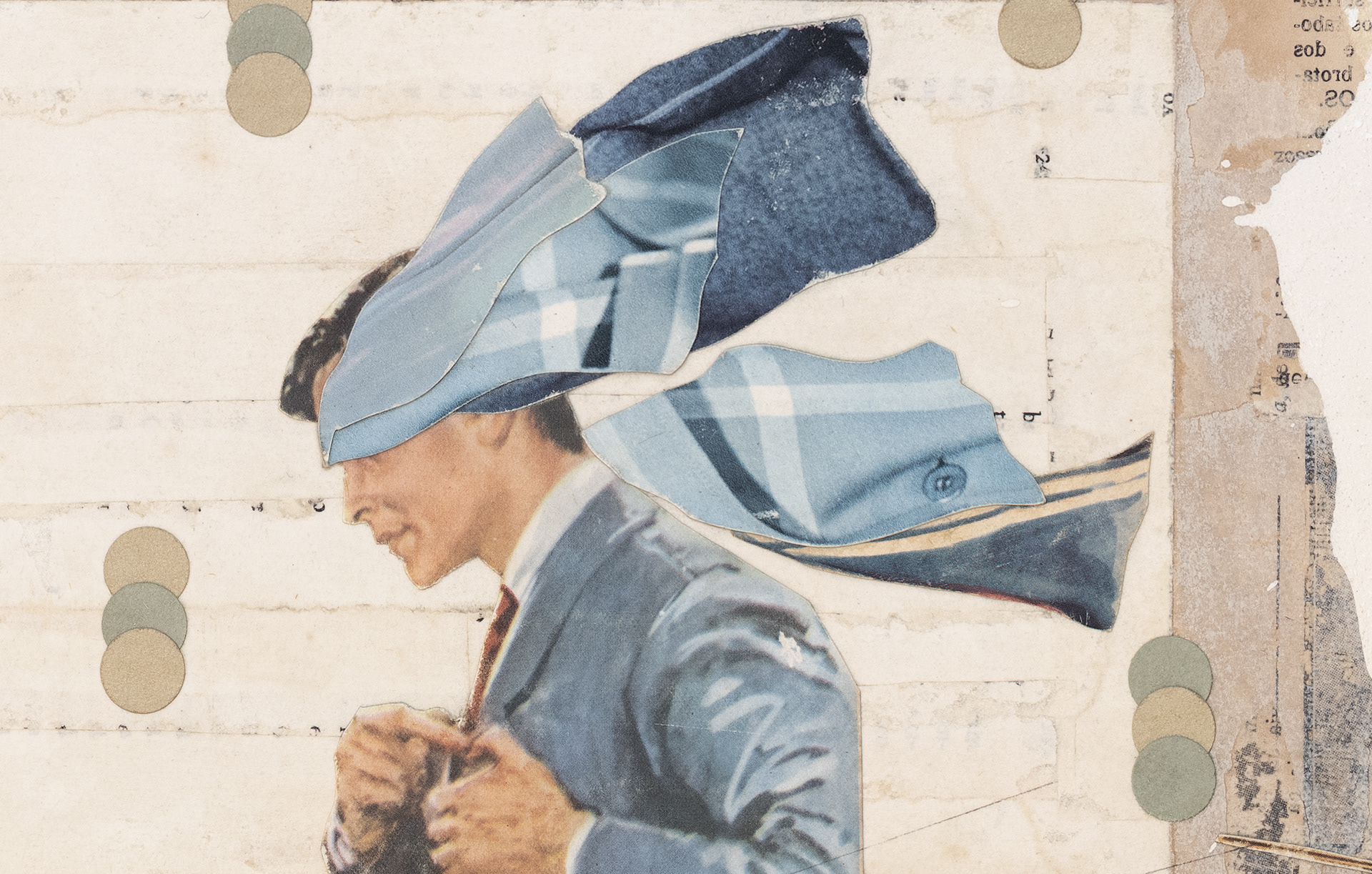
With You don’t know me (You don’t know me at all), I wanted to experiment with that inverse movement. Instead of only presenting the work as a whole, I wanted to dive into its inner structures and find smaller compositions living inside it. My work is often modular by nature. To build larger images, I frequently rely on smaller units, fragments, visual situations that can grow, connect, and accumulate. So inside one piece, there are often many other pieces waiting: mini narratives, secondary tensions, internal scenes.
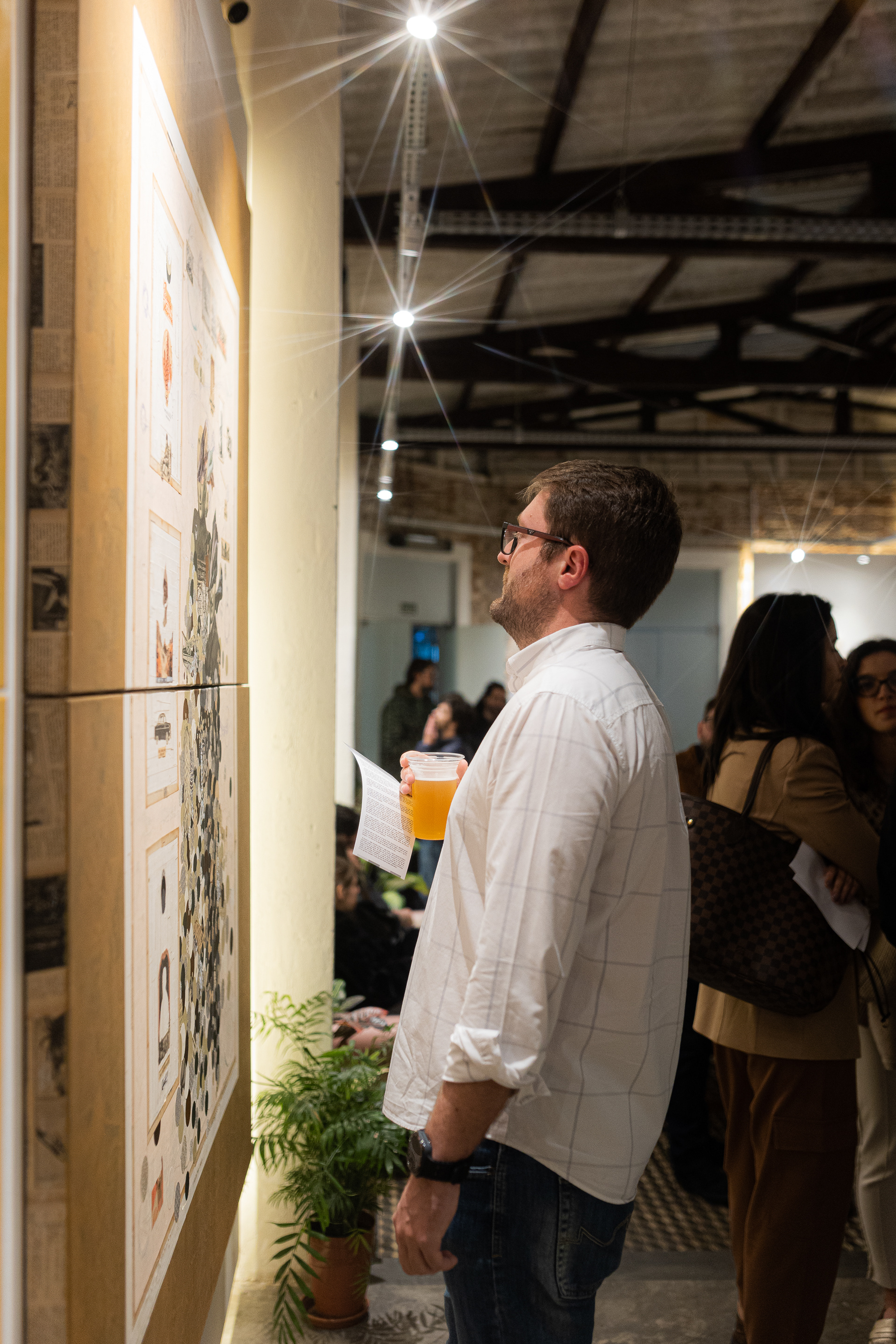
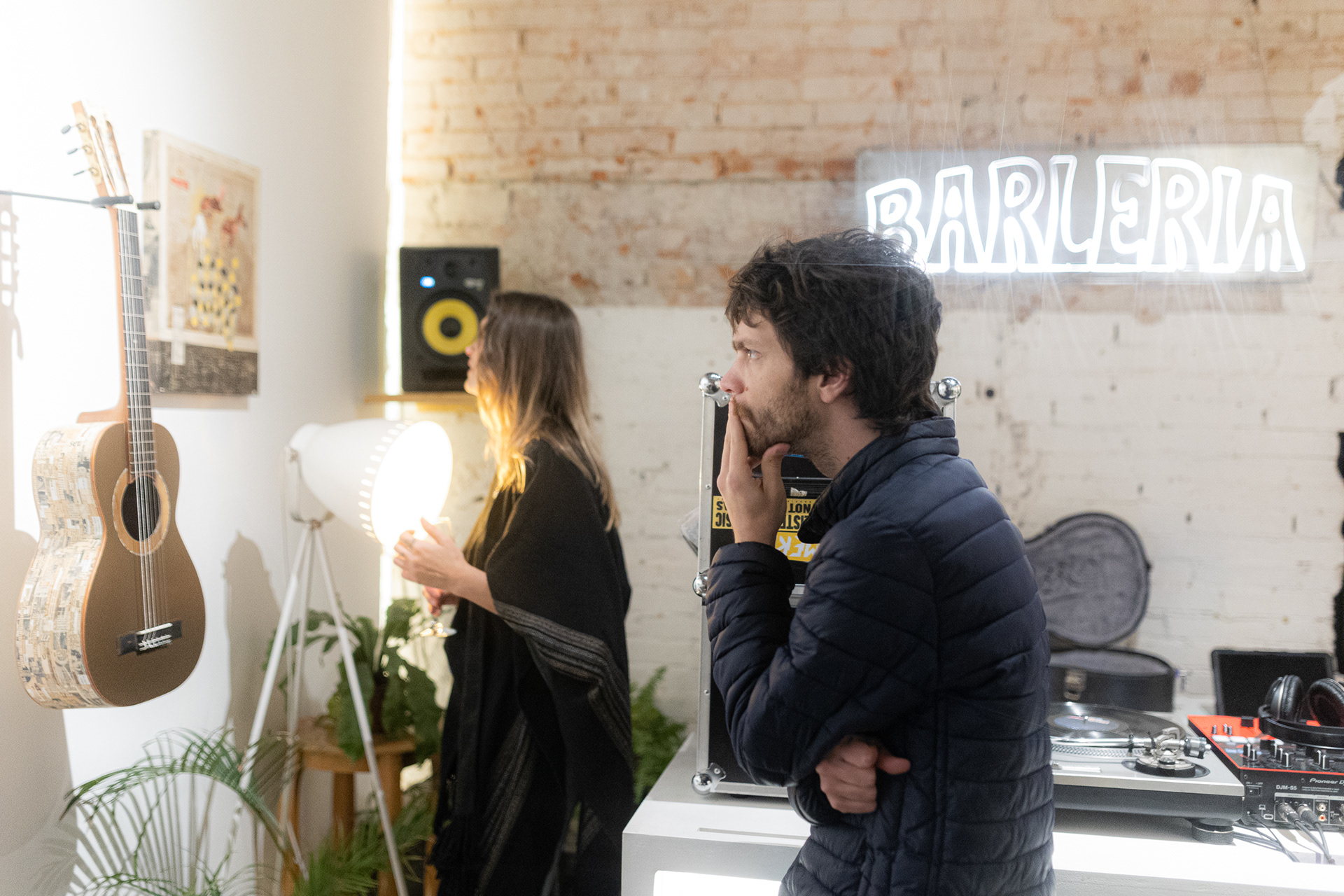
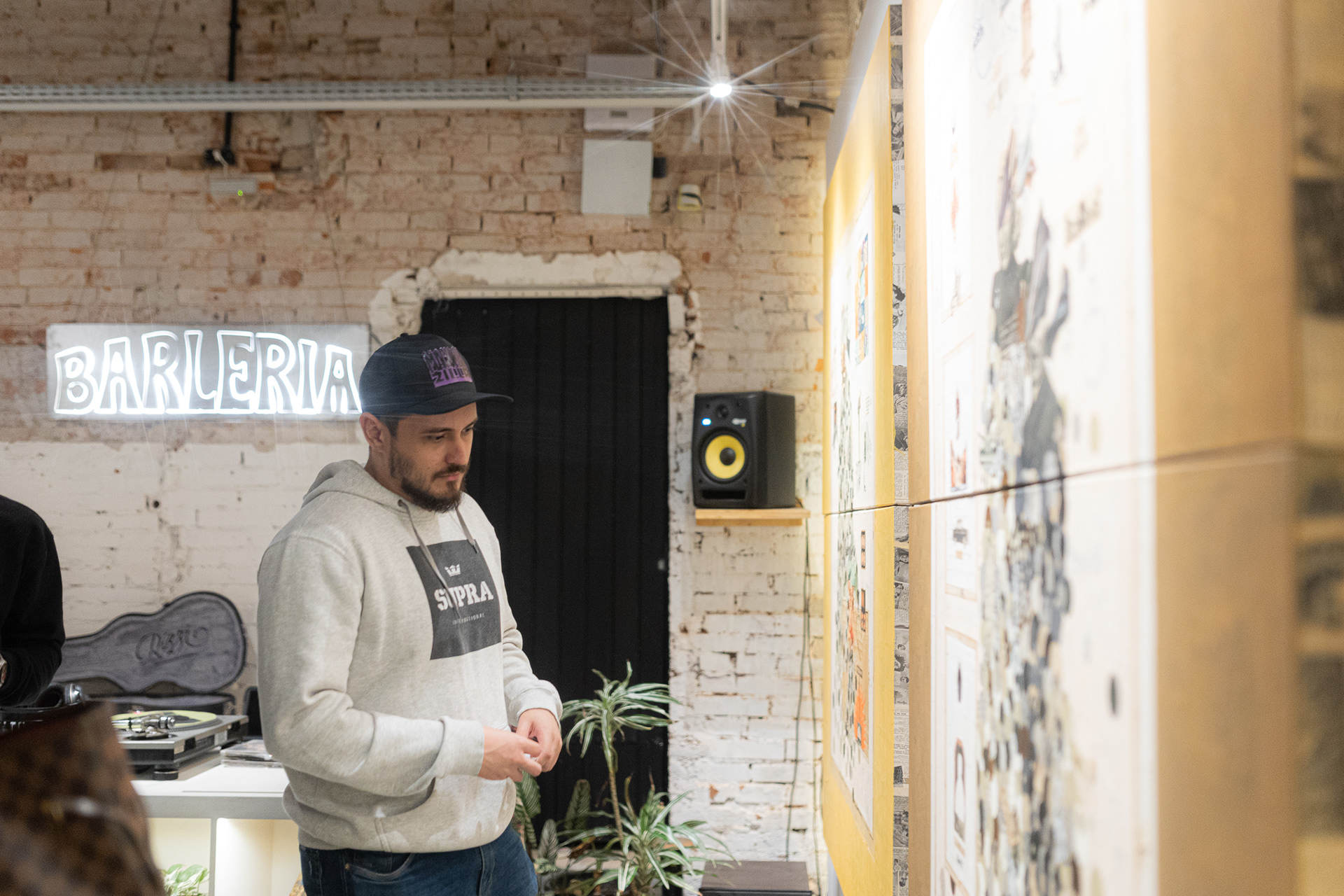
The painting itself was part of my solo exhibition Contos, Crônicas, Mentiras e Exageros. This is the first post I’m making about one of the works from that exhibition, and it also marks the beginning of a new exercise for me: revisiting these pieces through their details, hidden structures, and internal compositions.
In the video, that investigation moves through a few different layers. It begins by playing with the idea of print simulation: an enlarged, almost magnifying-glass view of a printed surface, emulating the texture and dot structure of offset printing. Even though that opening feels tactile and almost mechanical, it is actually a digital animation. From there, the piece moves into a large-format digital capture of the physical artwork, where I added subtle animation interventions on top, gradually navigating through details and fragments before the full piece is finally revealed at the end. The intention was not simply to animate the painting, but to create another translation of it, moving again between digital and physical, macro and micro, illusion and surface.
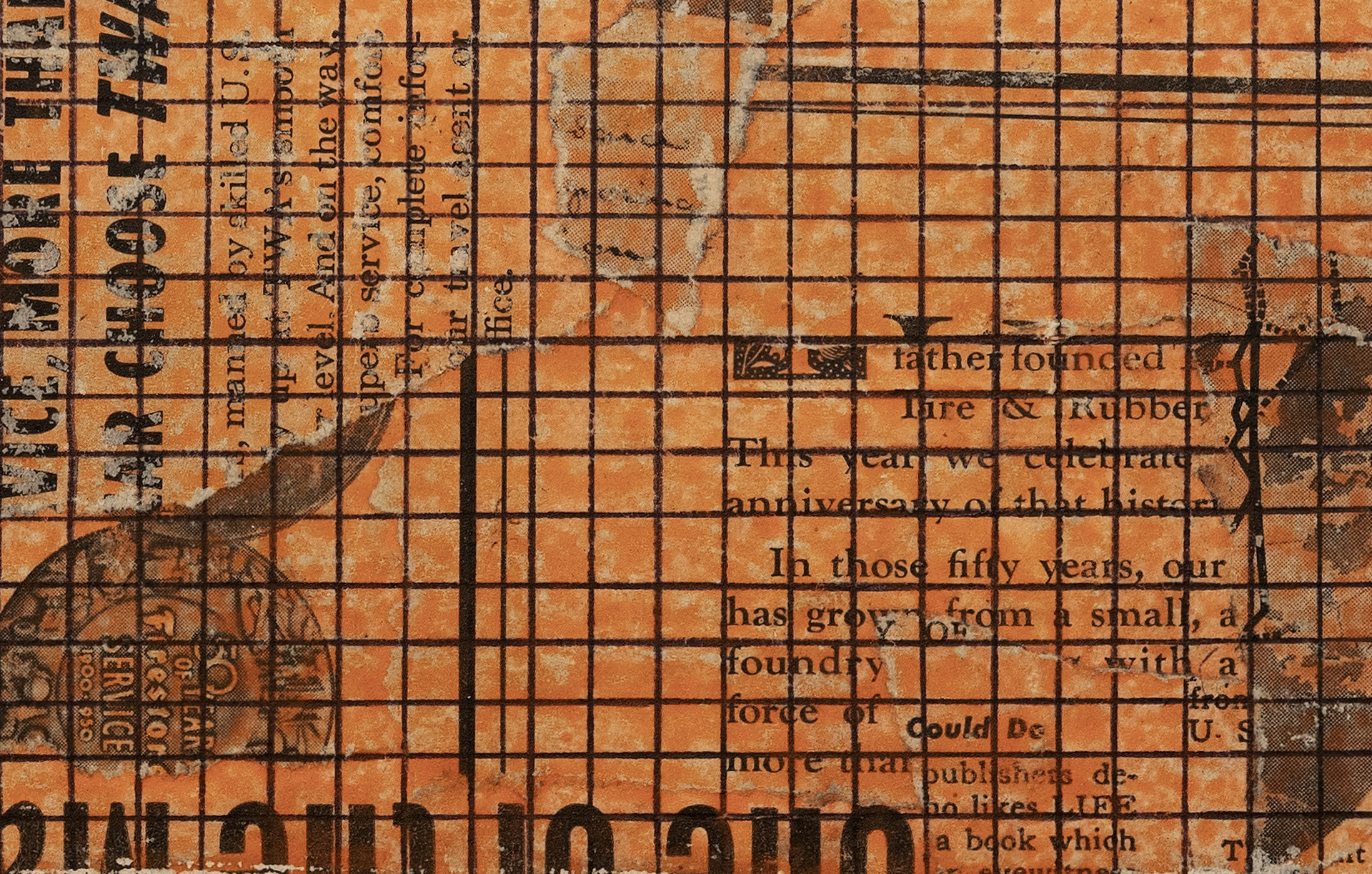
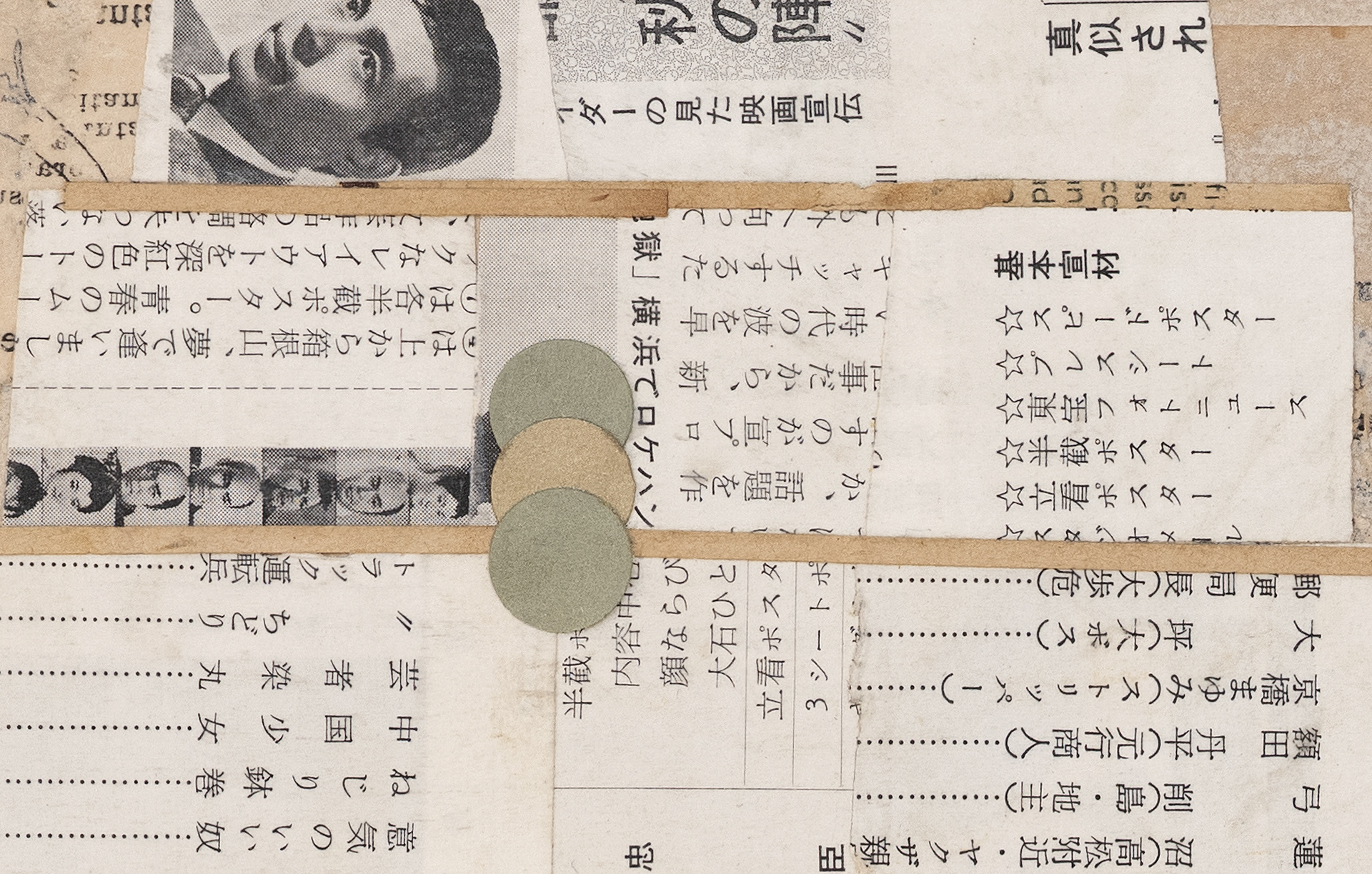
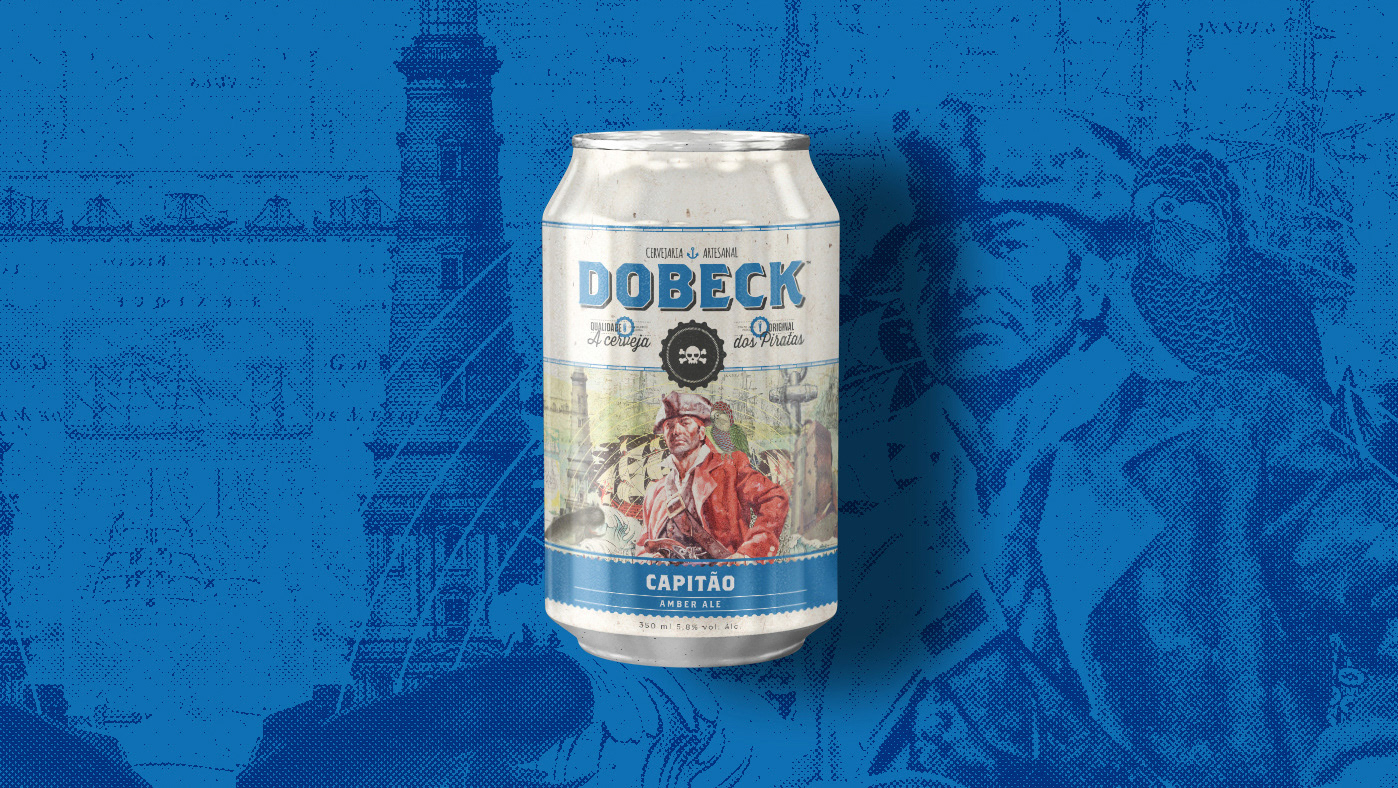
This also connects to something I’ve been developing at SDÑ: ways of recreating print behavior and analog surface qualities inside digital software, especially through custom workflows and internal tools in After Effects. So this experiment sits somewhere between artwork, observation, technical curiosity, and image research.
I also ended up composing the music specifically for this video. In that sense, the soundtrack mirrors the visual process behind the piece. It is original, but it also works through collage logic, built from assembled elements, layered gestures, and recombined fragments. That felt right to me, because the whole project is really about translation, reconstruction, and movement between forms.
In the end, this piece is not only about a finished painting. It is also about circulation between mediums, about the strange distance between what is touched and what is simulated, and about how an image changes when it is enlarged, scanned, translated, fragmented, and reassembled. Sometimes, inside one composition, there is an entire hidden world waiting to be seen.